Brooklyn Roofing Blog: Straight Answers From Local Roofers
Leaks that only show up in heavy rain, a quote that’s twice your neighbor’s, a parapet that cracks every winter, a landlord with a tenant on the phone. This blog is where All State Roofing – Brooklyn answers the roofing questions Brooklyn homeowners, landlords and building managers actually ask, in plain English and with NYC’s rules in mind.
- Brooklyn roofing since 1997
- Checked against NYC rules
- Plain-English answers
- Homes & commercial roofs
Brooklyn Roofing Guides for Homeowners
Start here if you’re about to hire a roofer, trying to decide whether your roof needs work, or want to keep a small problem from turning into a big bill.
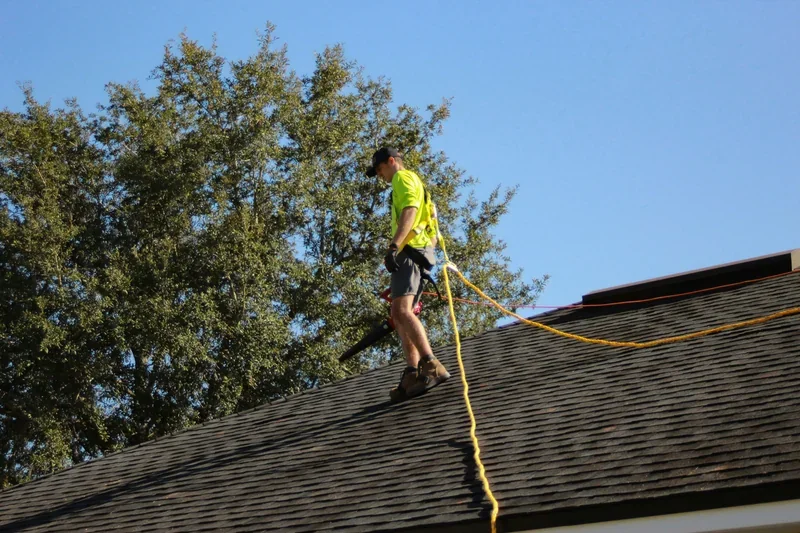
How to Tell Whether a Roofing Company Is Worth Hiring
License, insurance, a written scope and reviews that name real jobs. The checks that separate a local roofing company from a crew that disappears after the check clears.
Read the guide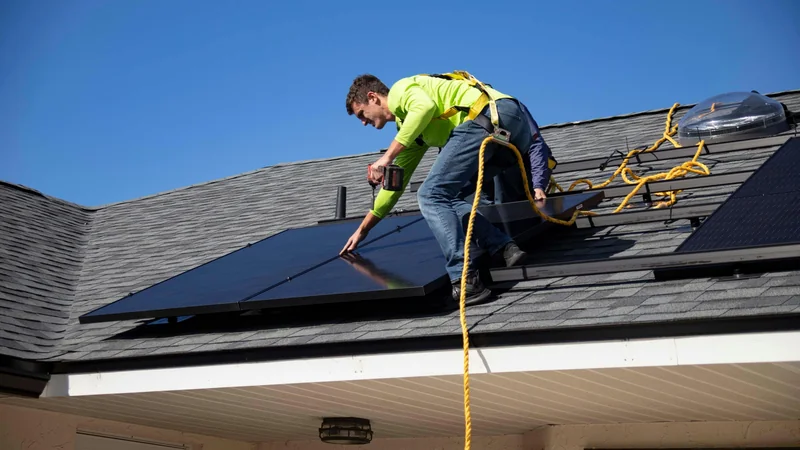
Should You Hire a Roofer? Signs Your Roof Needs Work
Ceiling stains, missing shingles, ponding water and leaks after storms. When to call a roofing contractor and when it’s safe to wait.
Read the guide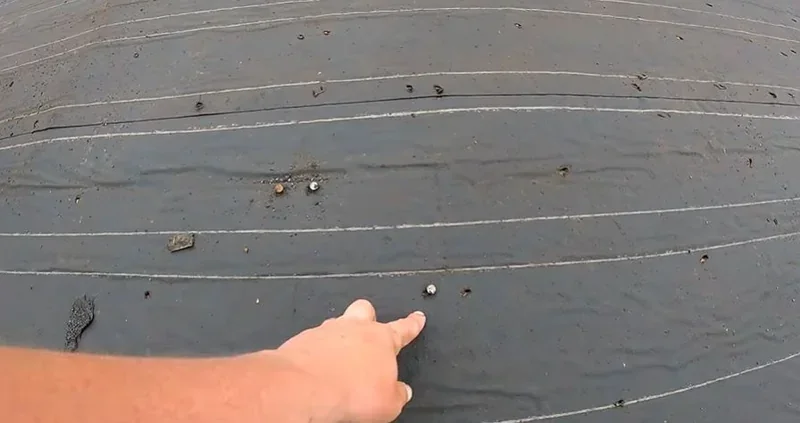
How to Avoid Costly Roofing Repairs
Clear drains, watch the flashing, catch small seam problems early. Simple habits that keep a Brooklyn roof out of emergency territory.
Read the guide
How to Find Experienced Roofing Professionals
A three-step way to find a roofer with real experience on Brooklyn buildings, and the questions to ask before anyone climbs your ladder.
Read the guideQuick Answers to the Roofing Questions Brooklyn Owners Ask Most
Short, direct answers to the questions we hear on the phone every week. Each one is a topic we go deeper on in our guides.
Why does my roof leak only in heavy rain?
Usually because water is overflowing somewhere, not soaking through the roof surface. A half-clogged drain, an undersized scupper or flashing set too low lets water over the top once it pools. On coastal blocks, wind-driven rain can also push water sideways under flashing.
Why is the stain nowhere near the leak?
On attached Brooklyn buildings, water often runs along roof boards, joists and party walls before it shows up inside. That’s why patching the spot above the stain so often fails.
Can a new roof go over my old one?
Not if there are already two or more layers; building codes don’t allow it. Even when one more layer is permitted, a tear-off lets the roofer replace rotted decking and install new flashing instead of covering problems up.
Is torch-down roofing illegal in NYC?
No. Torch-applied roofing is legal when the roofers hold FDNY Certificates of Fitness and a fire guard watches the roof during and after the work. Unpermitted torch work is what’s illegal.
Do I need a permit to fix my roof?
Ordinary repairs generally don’t need a Department of Buildings permit. A full replacement generally does, and work visible from the street on a landmarked building may need Landmarks Preservation Commission approval.
My neighbor’s roof is leaking into my house. Now what?
Get the leak traced first so you know where the water starts. If the fix needs your neighbor’s roof and they refuse access, New York’s RPAPL 881 lets a court grant access for necessary repairs.
Does homeowners insurance cover a roof leak?
It depends on the cause and your policy. Sudden storm damage is often covered; leaks from age, wear and skipped maintenance usually aren’t. Photos and a written roof report help either way.
How do I check a roofer’s license in NYC?
Ask for their Home Improvement Contractor license number from the Department of Consumer and Worker Protection (DCWP) and look it up on the DCWP website. Ask for a certificate of insurance too.
Roofing Topics We Cover for Brooklyn Buildings
Our blog is organized around the problems Brooklyn roofs actually have, from brownstone parapets in Park Slope to shingle roofs near Jamaica Bay.
Leaks and roof repair
- Stains near front windows and side walls
- Leaks only in heavy rain or after snow
- Patches that didn’t hold
- Water from a light fixture
Flat roofs and brownstones
- EPDM vs TPO vs PVC vs torch-down
- Parapets, coping and cornices
- Ponding water and roof drains
- Roof decks and pavers
Shingle and slate roofs
- Repair or re-roof?
- Architectural vs 3-tab shingles
- Wind damage near the shore
- Victorian roofs in historic districts
NYC rules and permits
- DOB permits and DOB NOW
- Landmarks (LPC) approval
- Cool roofs and Local Laws 92 & 94
- Parapet observations and HPD violations
Costs and quotes
- What moves the price of a roof
- Comparing quotes line by line
- Rotted decking and change orders
- Repair vs replace decisions
Storms and seasons
- Nor’easter and hurricane prep
- Fall drain cleaning
- Winter ice at parapets
- What to do after storm damage
A Brooklyn Roof Maintenance Calendar
Brooklyn roofs see freeze-thaw winters, spring downpours, hurricane season and a lot of falling leaves. A few checks at the right time of year prevent most emergency calls.
| Season | What to check | Why it matters in Brooklyn |
|---|---|---|
| Spring | Seams, flashing, coping joints and any winter damage; book repairs before summer | Freeze-thaw opens mortar joints and seams over the winter |
| Summer | Drains clear before storms, coatings on sound flat roofs, loose edges secured | Atlantic hurricane season runs June 1 to November 30, and summer cloudbursts can overwhelm drains |
| Fall | Roof drains, scuppers, gutters and leaders cleared of leaves | Street trees on blocks around Prospect Park, Ditmas Park and Fort Greene clog drains fast |
| Winter | Watch for ice at parapets and eaves, leaks after snow melts; no shoveling that damages the membrane | Melting snow against parapets finds open seams at the base of walls |
When Hurricane Ida’s remnants hit in September 2021, Central Park recorded a record 3.15 inches of rain in a single hour. Storms like that are when a clogged drain becomes a flooded top floor.
Roofing Terms You’ll Hear on a Brooklyn Roof
Roofers have their own language. Knowing these words makes it much easier to understand a quote or an inspection report.
- Parapet
- The low wall that rises above the roof line on most brownstones, rowhouses and walk-ups.
- Coping
- The stone or metal cap on top of a parapet. Cracked coping is a common source of wall leaks.
- Cornice
- The decorative ledge along the top front of many brownstones. It can trap and leak water.
- Counterflashing
- Metal set into the wall that covers the top edge of the roof flashing so water can’t get behind it.
- Bulkhead
- The small structure on the roof that houses the stair or hatch access.
- Scupper
- An opening in a parapet that lets water drain off the edge of a flat roof.
- Leader
- The New York word for a downspout carrying water from the roof or gutter to the ground.
- Pitch pocket
- A sealed box around an odd-shaped roof penetration, often a leak point on older roofs.
- EPDM
- Rubber membrane roofing, common on Brooklyn flat roofs.
- Modified bitumen
- Asphalt-based roll roofing, often called torch-down when it’s heat-applied.
- Tear-off
- Removing the old roof down to the deck before installing a new one.
- Party wall
- The shared wall between two attached buildings, and a frequent leak path between roofs.
Who Writes This Blog and How We Check It
Every post is written by the roofing team at All State Roofing – Brooklyn, a Brooklyn roofing company working on the borough’s roofs since 1997. We write about what we see on real jobs: brownstones in Bed-Stuy and Park Slope, walk-ups in Bushwick, detached homes in Marine Park and Dyker Heights, storefronts and warehouses.
Our rules for every post
- NYC rules are checked against official sources: the Department of Buildings, Landmarks Preservation Commission, FDNY, DCWP and HPD.
- No made-up numbers. If something depends on your roof, we say so.
- Posts are reviewed and updated when rules or common practice change.
Blog page last reviewed: October 2026
Need More Than Advice? We Fix Roofs Across Brooklyn
From Greenpoint to Coney Island and Bay Ridge to Canarsie, plus nearby parts of Queens, Staten Island and Manhattan.
Questions About Our Brooklyn Roofing Blog
Who writes the All State Roofing – Brooklyn blog?
Our roofing team. We’ve worked on Brooklyn roofs since 1997, and we write about the problems we see on real jobs, from brownstone parapets to shingle roofs near the water.
Is the information on the blog specific to NYC?
Yes. Brooklyn buildings, weather and rules are different from the suburbs, so we write with NYC’s Department of Buildings, Landmarks Preservation Commission, FDNY, DCWP and HPD rules in mind and check them against official sources.
Can a blog post tell me what’s wrong with my roof?
It can point you in the right direction, but it can’t replace an inspection. Leaks on attached buildings often start far from where the water shows up, so the real cause has to be found on the roof.
Do you give prices in your articles?
We explain what drives roofing costs and how to compare quotes. Exact prices depend on your roof, so we give those in a written, line-item quote after an inspection.
Can I suggest a topic?
Yes. Call (929) 695-6095 with your question. If lots of Brooklyn owners are asking the same thing, it’s probably worth a post.
What should I do if my roof is leaking right now?
Keep away from wet light fixtures, catch the water, move valuables and take photos. Then call (929) 695-6095; we take emergency roof calls.
Do you only work in Brooklyn?
Brooklyn is where most of our work is, and we also take roofing jobs in nearby parts of Queens, Staten Island and Manhattan.
Are you connected to Allstate Insurance?
No. All State Roofing – Brooklyn is an independent Brooklyn roofing contractor and is not affiliated with Allstate Insurance.
Have a Roofing Question the Blog Didn’t Answer?
Call All State Roofing – Brooklyn and ask a roofer directly. If it’s something we can explain over the phone, we will. If we need to see the roof, we’ll set up an inspection.
All State Roofing – Brooklyn
235 43rd St, Brooklyn, NY 11232
Emergency roof calls taken